From Local Farms to Your Plate: Understanding Farm-to-Table Dining in Rajasthan
In Rajasthan, what people eat has a lot to do with the land and the climate. Local ingredients and traditional cooking methods have shaped everyday meals here for generations. You can see it in the millet dishes and in the preparations that use seasonal vegetables and lentils. The food reflects what the surrounding landscape has to offer.
Farm-to-table dining brings that link right to your plate. Restaurants take fresh ingredients from local farms and cook them into carefully prepared dishes. If you're travelling through Rajasthan, it's a chance to discover regional flavours and understand where your food comes from.
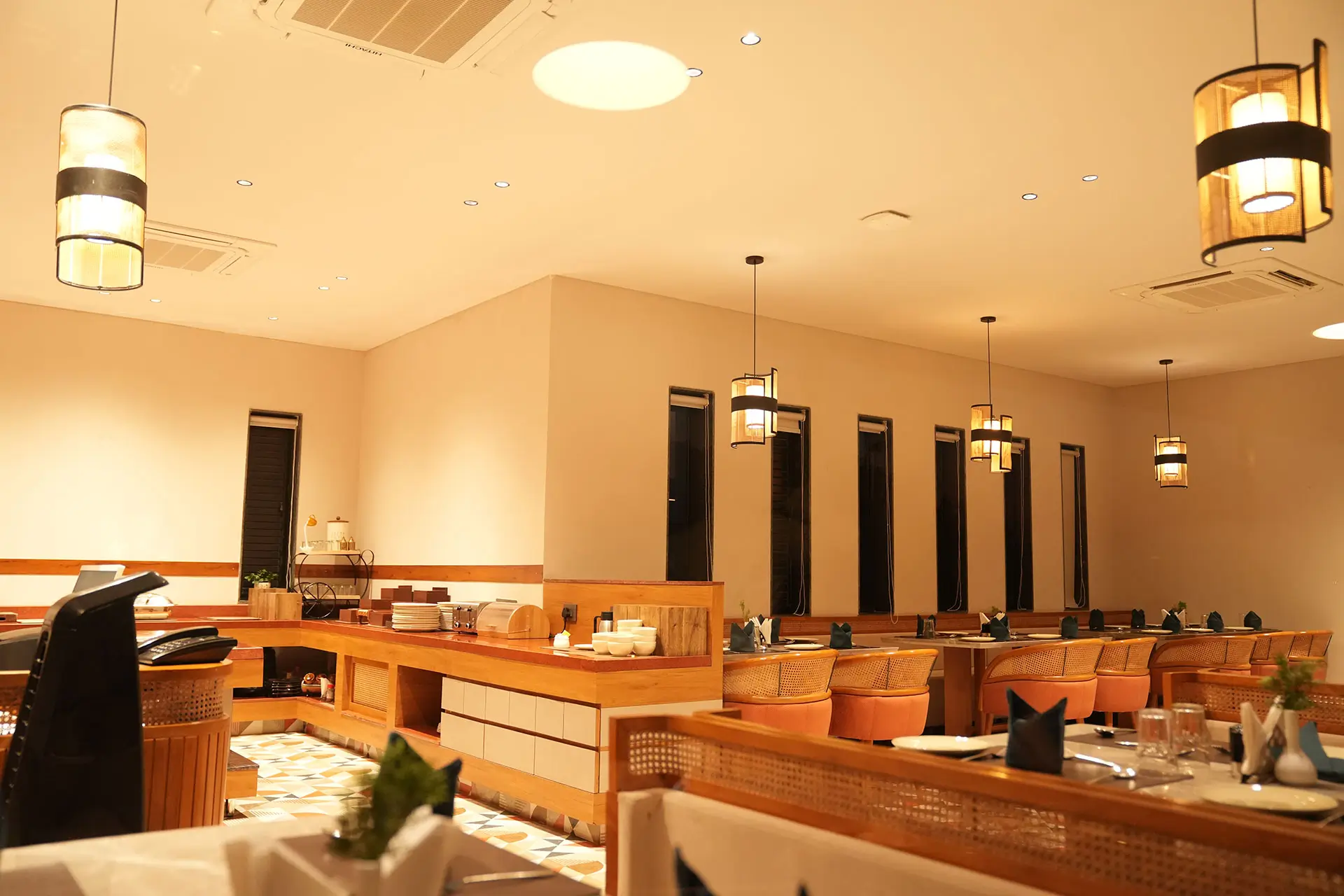
At Collective Hotels Bodhi in Kumbhalgarh, you'll find this approach at Taramandal Restaurant, which uses fresh ingredients from local farms in its vegetarian multi-cuisine dishes.
What Is Farm-to-Table Dining?
It's a way of preparing food that connects restaurants with farms in their area. Instead of depending entirely on ingredients that travel long distances, a restaurant sources suitable produce from nearby farms and puts it on the menu.
The idea is simple enough: know where your ingredients come from, pick fresh produce and cook it so its natural flavours come through.
In practice, this can include:
- Buying vegetables and other suitable ingredients from local farms.
- Using seasonal produce when it's available.
- Cooking regional dishes with ingredients that are familiar locally.
- Thinking about sourcing and preparation while planning the menu.
- Helping guests understand more about what goes into their meals.
This doesn't mean every ingredient has to come from a nearby farm. Availability, the season and the needs of the menu all affect what a restaurant sources. The point is to make thoughtful use of local produce wherever it's practical.
Why Are Local Ingredients Important in Rajasthani Cuisine?
Rajasthani food grew up around the region's climate, farming practices and eating habits. Many dishes rely on ingredients that local households know well, ones that suit the conditions in which people grow and store them.
Bajra and other millets, pulses, gram flour, wheat, dairy products and seasonal vegetables all turn up in regional cooking. Ingredients such as ker sangri are part of the traditional Rajasthani kitchen too.
Cooking with local ingredients helps regional recipes keep their character. It also lets chefs make dishes that reflect the area's food traditions, so they aren't relying only on standardised menus.
For visitors, eating regional food is one way to get to know a place beyond its landmarks. A single traditional dish can introduce you to local ingredients, cooking styles and tastes that have been around for generations.
How Does Farm-to-Table Dining Support Local Food Traditions?
A region's food traditions live in its ingredients, its cooking methods and the recipes that each generation passes on to the next. Farm-to-table dining gives restaurants a chance to put those traditions on the menu.
Making Use of Regional Produce
Local produce can shape what a restaurant cooks. Seasonal vegetables, grains and pulses each open up different options, both for everyday meals and for traditional recipes.
When a restaurant works with these ingredients, its menu can reflect the farming character of the region around it.
Keeping Traditional Recipes Relevant
Traditional recipes are still an important part of regional identity. Cooking familiar dishes with suitable local ingredients introduces them to travellers who may never have come across them before.
A Rajasthani thali, a millet preparation or a regional vegetable dish can show guests how varied the state's cuisine is.
Understanding Where Food Comes From
Farm-to-table dining also gets people thinking about food sourcing. As a guest, you can learn what's in your meal and what part local produce plays in regional cooking.
That can make a meal mean a bit more, especially if local food and culture interest you when you travel.
How Does Seasonal Produce Influence Sustainable Dining in Rajasthan?
Farms don't offer the same vegetables and other produce in every season. That affects which ingredients a restaurant picks and how it prepares food, so seasonal availability plays an important part in menu planning.
A restaurant that keeps the season in mind can adapt its dishes to the produce it's able to source. Guests may also get to know ingredients that people commonly use at that time of year.
Sustainable dining takes more than local ingredients, though. Purchasing decisions, food preparation, portion planning and responsible use of resources all need attention.
For a restaurant, practical steps may include:
- Planning menus around what's in season.
- Buying suitable quantities of ingredients.
- Using ingredients thoughtfully during preparation.
- Cutting down on avoidable food waste.
- Storing and handling food properly.
These steps give a useful framework for responsible dining. Still, you shouldn't treat local buying on its own as proof that a restaurant follows every aspect of sustainable food production.
Farm-to-Table Dining at Collective Hotels Bodhi in Kumbhalgarh
If you're looking for fresh food in Kumbhalgarh, dining is going to be an important part of your stay. Collective Hotels Bodhi brings together accommodation, food and regional experiences, with the Aravalli landscape all around.
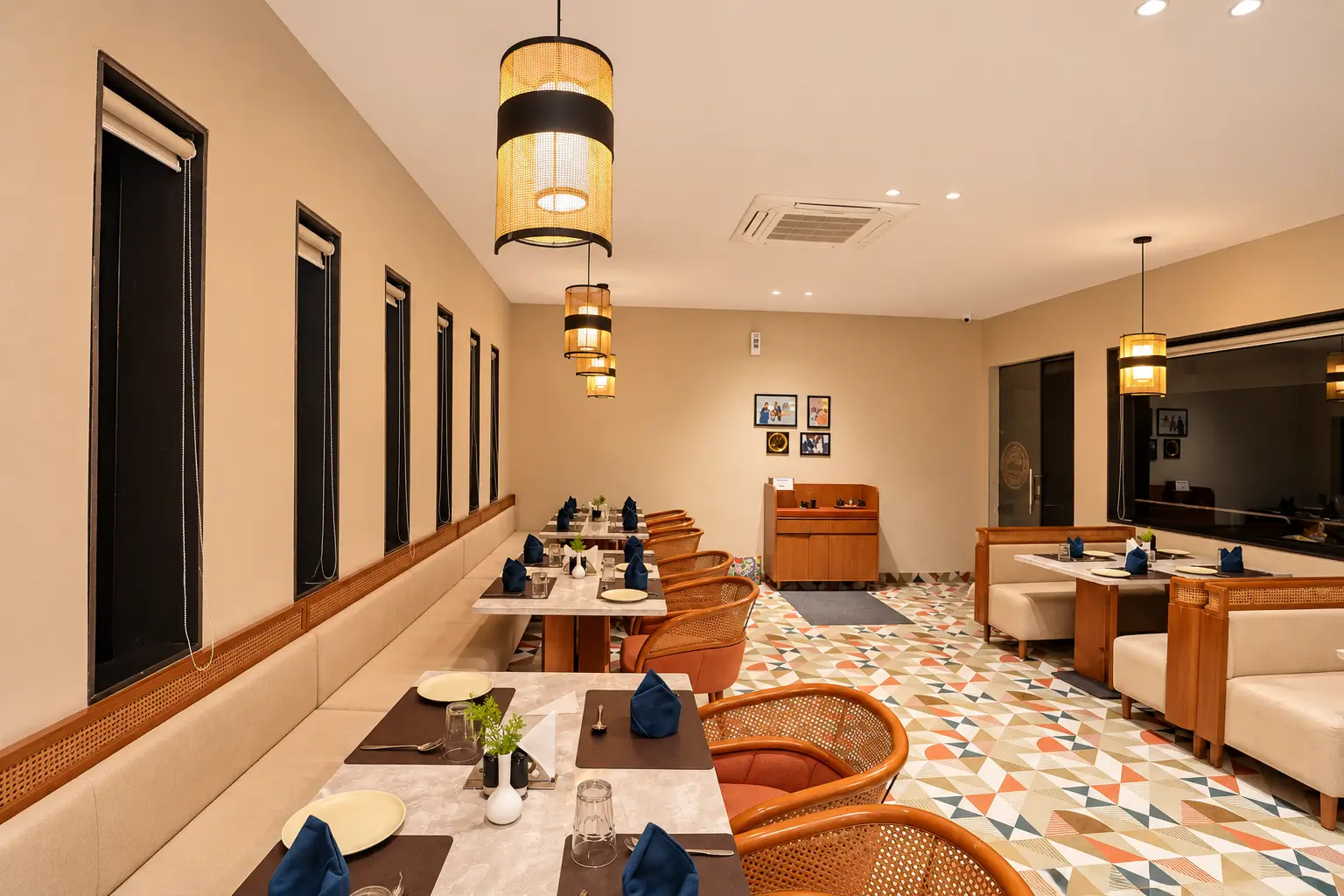
Its Taramandal Restaurant offers vegetarian multi-cuisine dining with fresh ingredients sourced from local farms. The restaurant serves traditional Rajasthani cuisine alongside international favourites, so you have options during your stay.
Taramandal Restaurant
Taramandal is a 30-cover restaurant at Collective Hotels Bodhi. Its menu includes vegetarian preparations made with fresh ingredients from local farms.
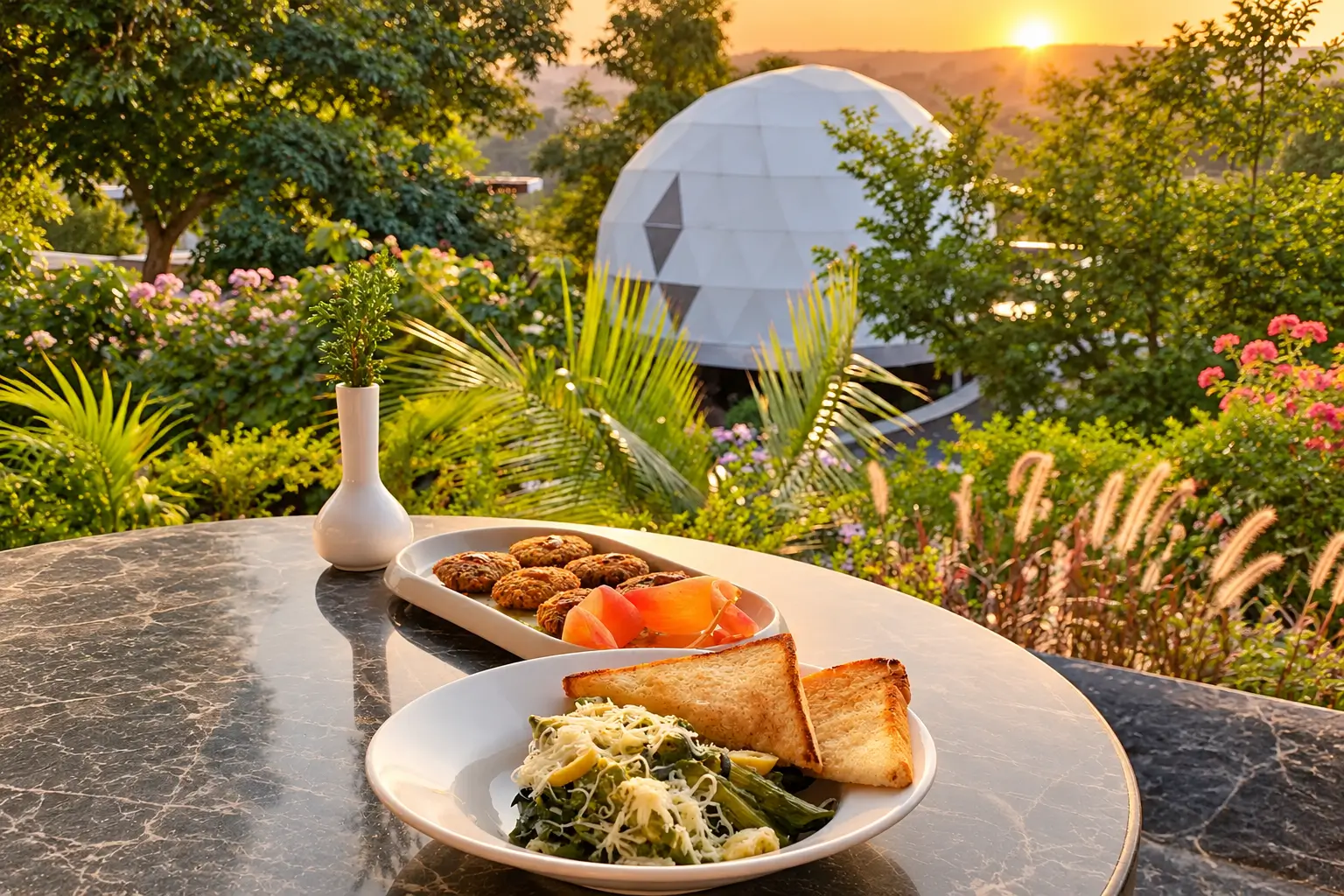
You can explore regional flavours or go for familiar multi-cuisine options. If you'd like to eat in the open, the restaurant also has alfresco dining on its outdoor deck.
For anyone interested in farm-fresh dining in Rajasthan, this is an opportunity to try food made with locally sourced ingredients while staying in Kumbhalgarh.
Learn more about the menu and dining facilities at Taramandal Restaurant.
Coffee Bar and Sunset Lounge
Collective Hotels Bodhi also has a Coffee Bar and Sunset Lounge. Here you'll find freshly brewed coffee, mocktails and snacks in an outdoor setting that overlooks the Aravalli Mountains.
It's another place to spend time between meals, whether you want a coffee break or a relaxed evening with refreshments. Along with the restaurant, it gives you different dining and refreshment options within the property.
What Should You Look for When Choosing a Farm-to-Table Resort in Rajasthan?
A property mentioning fresh or local food isn't enough to go on. It helps to understand how the dining actually works and what you can expect during your stay.
Here are a few points worth considering:
1. Information about ingredient sourcing
Look for clear information on whether the restaurant uses ingredients from local farms. Specific details tell you more than broad claims about fresh food.
2. Regional dishes on the menu
Local cuisine on the menu gives you a chance to explore the destination's food traditions. In Rajasthan, this may include traditional thalis and regional preparations.
3. Seasonal menu options
Ask whether the dishes change with seasonal produce. The menu can vary with the ingredients the restaurant sources at a particular time.
4. Dining spaces
Think about where you'll be eating. Indoor restaurants, outdoor decks and lounges can each offer a different setting for meals and refreshments.
5. Dietary preferences
If you have specific dietary requirements, check the menu for suitable options. It's always better to confirm food preferences and special requests with the restaurant before you arrive.
These details can help you choose a property where food is a considered part of the whole stay.
Why Explore Kumbhalgarh for Regional Dining Experiences?
People know Kumbhalgarh for its historic fort, its Aravalli surroundings and its connection with the cultural landscape of Rajasthan. A visit also gives you opportunities to explore regional food and local traditions.
Food can be a big part of understanding a place. Try the traditional Rajasthani dishes, learn about familiar ingredients and find out what people locally like to eat. It adds another dimension to your trip.
At Collective Hotels Bodhi, you can explore dining alongside the cultural and nature-based experiences the property lists. These include regional cuisine, village tours, folk dance performances, trekking and nature walks, as well as visits to Kumbhalgarh Fort. Do confirm availability and arrangements for individual activities with the resort before you plan.
Guests can also explore the property's cultural and nature experiences while planning their visit.
Explore Farm-to-Table Dining at Collective Hotels Bodhi
Food connects you directly with a destination's culture and farming traditions. In Rajasthan, local ingredients and regional recipes still shape how people cook and enjoy their meals. Farm-to-table dining draws more attention to that connection by making ingredient sourcing an important part of the restaurant experience.
At Collective Hotels Bodhi in Kumbhalgarh, Taramandal Restaurant serves vegetarian multi-cuisine options made with fresh ingredients from local farms. You can also head to the Coffee Bar and Sunset Lounge for coffee, mocktails and snacks outdoors.
To learn more about the property, its dining facilities and stay options, visit Collective Hotels Bodhi or contact the resort to plan your visit.
Frequently Asked Questions
It means preparing meals with fresh ingredients sourced from local farms wherever they're available. These can include regional vegetables, grains, pulses and ingredients used in traditional Rajasthani cuisine.
The resort's restaurant sources suitable ingredients from local farms and uses them in its cooking. What the restaurant serves depends on ingredient availability, seasonal produce and menu requirements.
It helps restaurants cook with ingredients that are familiar to the region's food traditions. Guests can also get a better understanding of local produce and the dishes made with it.
You can try it at Taramandal Restaurant at Collective Hotels Bodhi. The restaurant offers vegetarian multi-cuisine options made with fresh ingredients from local farms.
Yes. Taramandal Restaurant at Collective Hotels Bodhi offers vegetarian multi-cuisine dining, including traditional Rajasthani cuisine and international favourites.
No. Farm-to-table dining is about sourcing ingredients from local farms where possible, while organic dining relates specifically to how farmers produce ingredients. Local food isn't automatically organic.
It can bring together regional cuisine, fresh ingredients and settings that reflect the surrounding Aravalli landscape. At Collective Hotels Bodhi, you can choose between dining at the restaurant and having refreshments at the Coffee Bar and Sunset Lounge.